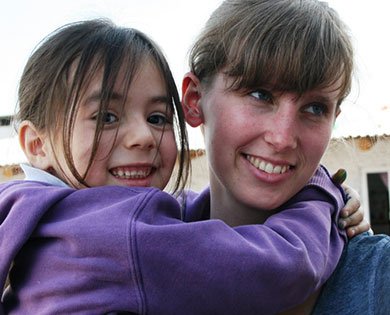
Volunteer in Argentina for a once in a lifetime opportunity to make the world a better place! Not only will you enhance the quality of life for others, you will explore Argentina, its culture and its natural beauty. With an intriguing mix of important natural, scenic and cultural resources, Argentina is one of the best places to learn Spanish, volunteer abroad. Volunteers/travelers have endless opportunities to experience Argentina such as enjoying vibrant city life, exploring the grandiose Patagonia, resting on the beaches, learning to dance tango, watching a soccer match and appreciating Argentina's well-known cuisine.
Global Crossroad Volunteer invites you to volunteer work in Argentina to travel and protect its vulnerable communities. You can choose from an array of meaningful projects in either Buenos Aires or Cordoba, such as working with orphanages, schools, children, communities, hospitals/clinics, dentists or local professionals. Regardless of the program you choose, your experience will undeniably change your life and the life of others.
To begin an amazing and unique journey, send us an email now for more information. The sooner you inquire for information, the sooner you can help change the world for the better!
Fees and Dates
Start Dates:
All volunteer programs start on the first and third Monday of each month.
If you are tired of expensive volunteer programs but want to make a positive contribution in the world, look no further! Global Crossroad is dedicated to offering high quality, well-organized and meaningful programs at the most affordable price in the United States. We work hard to keep costs as low as possible, focusing on the effectiveness of our projects, the safety of our volunteers and the quality of participant experiences. We currently offer the most competitive price possible in today's market including an application fee (of $299) AND a small weekly fee as follows:
| Weeks | Hostel Shared Room/ No Meals | Host Family Private Room/Half Food | Medical (Hostel Shared Room/No meals) | Medical(Host Family Private Room/Half Food) |
|---|
| 1 Week |
$404 |
$460 |
$454 |
$510 |
| 2 Weeks |
$488 |
$600 |
$588 |
$700 |
| 3 Weeks |
$572 |
$740 |
$722 |
$890 |
| 4 Weeks |
$656 |
$880 |
$856 |
$1,080 |
| 5 Weeks |
$740 |
$1,020 |
$990 |
$1,270 |
| 6 Weeks |
$824 |
$1,160 |
$1,242 |
$1,460 |
| 7 Weeks |
$908 |
$1,300 |
$1,285 |
$1,650 |
| 8 Weeks |
$992 |
$1,440 |
$1,392 |
$1,840 |
| 9 Weeks |
$1,076 |
$1,580 |
$1,526 |
$2,030 |
| 10 Weeks |
$1,160 |
$1,720 |
$1,660 |
$2,220 |
| 11 Weeks |
$1,244 |
$1,860 |
$1,794 |
$2,410 |
| 12 Weeks |
$1,328 |
$2,000 |
$1,928 |
$2,600 |
Mandatory Comprehensive Travel Insurance $3.49/day
Spanish Lesson $12 per hour
Program fees cover:
- Accommodation (hostel or host family)
- Food (see price table for different options)
- Airport pick up/Transfer
- Program Orientation
- In-country support
- Personalized project
- Pre-departure information
- Certificate of completion
- Fundraising ideas and letters
- Discount for returning volunteers
Program fees exclude:
- Visas
- Airfare
- Personal expenses on soft drinks and foods
- Daily transportation
- Airport return transfer
The volunteering in Argentina program fees will cover expenses that will begin on the first day of the program (usually the first or third Monday of the month) to the last day of the program. If you arrive before the first day of the program or you decide you stay beyond your program’s last day, you will be responsible for the additional expenses, which would typically be around $30 a day for room and meals at a hostel.
Volunteer Programs in Argentina
Disadvantaged Children Project (Cordoba)
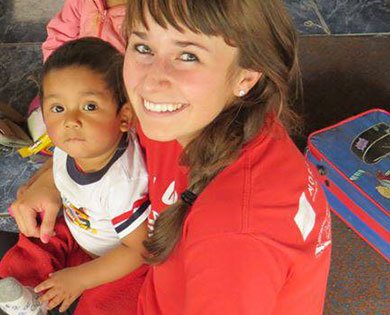
Since Argentina's economic meltdown in the late 90s, poverty and the lack of appropriate education and family planning have resulted in millions of indigent Argentinean children. Parents cannot adequately provide basic needs such as food, clothing and proper education. Volunteer in Argentina in the Disadvantaged Children Project and improve living conditions, education and future opportunities for the children you help.
In association with a number of non-profit and governmental organizations, Global Crossroad Volunteer places volunteers/travelers who are willing to provide friendship and care for these disadvantaged children who may turn to the streets or less desirable options. This is an opportunity for volunteers/travelers to teach various hands-on skills to these children and ultimately provide them with brighter futures.
Project is not available from December 10 to March, and from 1 – 20 July
Project/Volunteer's Life
As a volunteer in Argentina working with at-risk and street children, there are a wide variety of activities and responsibilities to participate in. Projects will depend on individual skills and interests as well as the needs of the local children projects. Daily tasks may include:
- Teaching basic English to the children
- Playing with the children
- Organizing extracurricular activities such as music, dancing, sports, art, games, etc.
- Keeping children company and providing friendship
- Teaching life skills such as painting, sewing, cooking, etc.
- Helping with basic care for the children
- Promoting healthy eating and nutrition with the children
- Helping children with personal hygiene
- Plan educational day trips/field trips
- Helping fundraise
- Work with local organizations
- Help project staff with administrative tasks
Skills and Qualification
This project prefers Spanish skills at a basic to intermediate level. If you cannot speak Spanish, we suggest enrolling in our Spanish language course to make your stay more rewarding, both for you and for the children you are helping. Interested individuals should have a passion and eagerness to help impoverished and disadvantaged children.
Teach English in Argentina (Cordoba)
Volunteer in Argentina teaching English and explore a beautiful country while opening doors for local students! English is quickly becoming a worldwide business language. In countries throughout the world, native English-speakers or individuals with a high level of English fluency are sought to deliver quality English education. Unfortunately, most rural Argentinean families do not have enough money for quality English lessons, therefore as a volunteer, you can help the less advantaged students still receive a valuable education.
Global Crossroad Volunteer partners with rural schools in Buenos Aires and Córdoba to teach those who would not typically have access to English courses. Our volunteer teachers teach large classes of children and some adults. As you teach in Argentina, you will be able to widen opportunities for others while traveling to one of the best tourist destinations in the world.
School will remain close in Argentina from December to February. The project is not available then but volunteers can enroll in other children project.
Project/Volunteer's Life
Volunteers teaching English in Argentina can either volunteer in Buenos Aires or Cordoba. As a volunteer in teaching English in Argentina, your duties may vary depending on individual skills and interests. Examples of activities may include:
- Teaching basic English to the children
- Teaching other subjects such as math or science
- Playing with the children
- Organizing extracurricular activities such as music, dancing, sports, art, games, etc.
- Teaching life skills such as painting, sewing, cooking, etc
- Promoting nutrition and health
- Helping to fundraise for schools
- Working with local teachers on curriculum development
- Assisting school administrations with daily tasks
- Helping with basic maintenance of schools
- Aiding local school staff in any way possible
Skills and Qualification
This project prefers Spanish fluency at a basic to intermediate level. If you cannot speak Spanish, we suggest enrolling in our Spanish language course to make your stay more rewarding, both for you and for the children you are helping. Additionally, volunteers should be proficient in English. Applicants should have enthusiasm for the English language and be tolerant, flexible and practical.
Volunteer in NGO-Community Development (Cordoba)
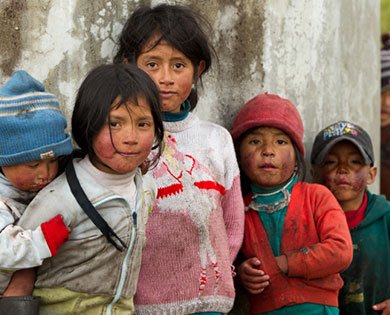
Volunteer in Argentina and help NGOs and community development projects improve underprivileged neighborhoods where city and state government assistance is limited. These neighborhood organizations address various basic issues in poor communities generally related to healthcare, education, food, clothing, work and safety. They encourage direct participation and the organization of citizens for their self-management of social, cultural, economic and political issues that affect them.
Volunteers with experience in various backgrounds such as social sciences, economics, politics, management, psychology, sociology, marketing and so on can provide assistance to these organizations by sharing expertise and support. Through teaching Argentinean families and children about important communal issues, they will be able to live happier and more productive lives.
Project/Volunteer's Life
As a volunteer working with NGOs and community development projects, you can offer support to local communal projects. Personal skills and abilities are often taken into account by matching specific skills with local needs. Activities may include:
- Supporting and training locals in capacity building tasks such as marketing, fundraising, planning, accounting, management, scouting, etc
- Establishing communication strategies with the different sectors of the community
- Developing written and audio/visual communications to foster neighbors to join community centers
- Providing technical assistance
- Working to solve communal issues through discussion and problem solving
- Supporting Schools
- Teaching English, health, math, science, nutrition, etc.
- Gardening projects
- Assisting administrative tasks
- Helping on maintenance activities
- Organizing events and trainings
- Helping community centers
- Assisting medical staff
- Organizing recreational and extracurricular activities
- Aiding institutional development and networking with local governments
Skills and Qualification
This project prefers Spanish fluency at a basic to intermediate level. If you cannot speak Spanish, we suggest you enroll in our Spanish language course to make your stay more rewarding, both for you and for the organizations and projects you are helping. Volunteers are expected to be flexible, adaptive, patient and proactive.
Medical/Healthcare projects (Cordoba)
Volunteer in the Medical/Healthcare project in Argentina and improve the health of others while exploring a beautiful country and immersing yourself into a new culture. Global Crossroad Volunteer's Medical/Healthcare Project in Argentina is the ideal project for anyone considering a career in the healthcare and/or nursing field, as well as individuals interested in the subject of alternative medicine. Volunteers can make a genuine contribution by working alongside doctors and nurses in Argentina's hospitals, health clinics and NGOs.
Volunteers are needed in Cordoba to promote and educate locals and assist communities in the poorest urban and rural areas. Volunteers carry out trainings about personal hygiene, sanitation, nutrition, diseases, etc. As you work in your project, you will be able to gain valuable experience, travel throughout Argentina and most importantly, help locals live healthier, productive and happier lives.
Project/Volunteer's Life
Working as a volunteer in the Healthcare/Medical Project in Argentina, you will work 4-5 hours per day, Monday through Friday. Matching individual skills and interests with the needs of the local staff, daily activities may involve:
- Planning and carrying out educational workshops
- Teaching locals about nutrition and healthy diets
- Providing personal care
- Helping with vaccinations
- Participating in trainings
- Promoting clean environments and communities
- Providing basic first aid
- Treating minor wounds
- Taking blood pressure and patient details such as height, weight and temperature
- Contributing to education about basic health and disease prevention
- Promoting personal hygiene and sanitation
- Learning about healthcare practices in different cultures
- Assisting doctors and nurses in local hospitals
- Helping the hospital/clinic administrations with record keeping and daily office tasks
Skills and Qualification
Volunteers/Interns interested in joining the volunteer health program in Argentina must possess some proof of healthcare certification, such as an ID as a medical student, EMT/paramedic certification, or nursing or physician's credentials. Global Crossroad Volunteer's partnering hospitals/healthcare clinics require a copy of your resume clearly stating credentials and education before your arrival at your assigned project.
This project also prefers Spanish fluency at a basic to intermediate level. If you cannot speak Spanish, we suggest you enroll in our Spanish language course to make your stay more rewarding, both for you and for the organizations and projects you are helping. Volunteers are expected to be flexible, adaptive, patient and proactive.
Work with Disabled Children and Teens (Cordoba)
Volunteer with disabled children and teens in Argentina and change the lives of others while traveling to an astonishing country. Poverty has left many disabled children in Argentina without the opportunity for proper care and attention. Global Crossroad Volunteer partners with local Argentinean organizations and sends volunteers to help psychiatrists, physical education trainers and educational psychologists.
Volunteers have the chance to work alongside local professionals and gain valuable experience. By providing disabled children with friendship, care, education, physical therapy, occupational therapy and extracurricular opportunities, they have happier lives and futures. While this project can be emotionally challenging, it is also extremely rewarding for volunteers who can witness progress and smiles as disabled children and teens receive the care they deserve.
Project is not available from December 10 to March, and from 1 – 20 July
Project/Volunteer's Life
As a volunteer/traveler in Argentina working with disabled children and teens, responsibilities will vary depending on individual skills and interests and the needs of the orphanage, but may include:
- Simple spending time with disabled children and teens
- Having fun with children and teens
- Organizing extracurricular activities such as games, sports, art, music, dance, etc.
- Assisting teachers and staff with routine tasks and chores
- Assessing the physical and mental health of the disabled
- Leading educational classes or workshops
- Reinforcing information taught in workshops or classes
- Organizing events
- Assisting children with rehabilitation and therapeutic activities
- Supporting organizational and management tasks
- Support program development
- Fundraising
- Working on maintenance of the facilities
Please Note: this project is not available from December 1st to March 1st and 20 days in July, but we can gladly place you in a similar project if you would like to volunteer during this time.
Skills and Qualification
This project prefers Spanish fluency at a basic to intermediate level. For those who do not have a basic level of Spanish skills, we suggest enrolling in our Spanish Language Program to make the volunteer time more beneficial for both the volunteer and the children who are being helped. All volunteers should have a passion for children and the disabled and must be flexible, patient and adaptive as well as possess a "can-do" attitude.
Dental Project/Internship (Cordoba)
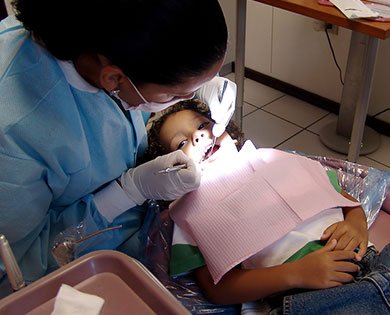
If you want to work in the field of dentistry and gain valuable international work experience, volunteer/intern in the dental project in Argentina! Global Crossroad Volunteer partners with an informal program for college students and college graduates who wish to attend dental school in the future.
Volunteers have the unique opportunity to travel to Argentina and work alongside qualified professionals who can teach them in return. This program is specifically designed to be a learning experience for international volunteers/interns interested in dentistry as a career. Each volunteer/intern will be assigned a mentor who is a professional dentist. Volunteers will educate rural school children about oral hygiene, screen patients for diseases and participate in general dentistry such as scaling, extractions, fillings, root canal work and surgery. Each mentor will walk the volunteers/interns through differential diagnosis, radiographic interpretation, treatment planning for complex cases, case presentations and behavioral studies. Volunteers/interns will be involved in as much as possible to practice every aspect of dentistry such as orthodontics, endodontic, periodontics, oral surgery and implants. As an informal program, volunteers can learn in a relaxed environment, enjoy Argentina and make the most out of this exciting and once in a lifetime opportunity.
Project/Volunteer's Life
Volunteers will be working with local dentists and dental assistants for at least 20 hours a week. Examples of possible daily tasks include:
- Helping with lab work including pouring models
- Assisting all dental specialties and learning what is being done and why
- Cleaning and disinfecting treatment rooms
- Sterilizing instruments
- Stocking dental materials
- General office maintenance
- Confirming patient appointments
- Following up with patients
- Learning how to perform diagnosis and treatment plans for patient cases
- Offering varying case presentations
- Reading and understanding radiographs
- Learning the different types of numbering/notation for teeth
- Practicing terms related to dentistry such as instrument names, tooth names, tooth surfaces, etc.
- Understanding how to review oral hygiene with patients
- Understanding and implementing all procedures to help make phobic patients comfortable
- Administrative tasks
- Printing insurance forms and submitting claims with the appropriate documentation
- Inputting patient data
- Understanding insurance benefits, percentages, fees and deducing the patient's co-payment for certain procedures
- Receiving payments
Please Note: this project is not available from December 1st to March 1st and 20 days in July, but we can gladly place you in a similar project if you would like to volunteer during this time.
Skills and Qualification
As a volunteer/intern in the dental program in Argentina, you must be a college student with a correlation between dentistry and your studies or a college graduate who has yet to attend dental school. You must have social skills and interpersonal skills as well as be open-minded and committed to the rules and procedures of your host organization. Intermediate Spanish is preferred. If your Spanish skills are poor, we suggest enrolling in our Spanish Language program to get the most out of your experience. This position requires a minimum time commitment of 20 hours per week and an internship period of a minimum commitment of 8 weeks.
Volunteer in the Professional Support Project (Cordoba)
As a volunteer in the Professional Support Program in Argentina, you will have the unique and valuable experience of participating in a volunteer program where work with organizations that use your individual skills and interests. Global Crossroad Volunteer partners with Argentinean organizations by placing volunteers who can help to decrease the lack of human and financial resources. Volunteers alleviate poor communal structures and other organizational aspects that hinder development.
There is an array of professional support areas including communications, accounting, marketing, economics, engineering, management, administration, human resources, public relations, events, promotions and tourism, among others. Volunteers have the opportunity to experience Argentinean, gain professional experience and above all, help others. By supporting governmental and nonprofit organizations, local projects will in effect have a greater effect on their communities.
Project/Volunteer's Life
As a volunteer in the Professional Support Project in Argentina, you will support local professionals for 4-5 hours per day, Monday through Friday. Volunteers' personal skills and abilities are often matched with specific local needs. Depending on individual skills and interests and the needs of the local staff, daily activities may involve:
- Accounting
- Marketing
- Graphic design
- Surveying
- Web design
- Project planning
- Database building/management
- Networking
- Preparing recreational activities
- Organizing extracurricular activities
- Assisting local staff on routine office tasks
- Supporting administrative tasks
- Proposing new ideas to improve the daily work of the organization
- Helping with promotions and advertising
- Researching financial resources
Skills and Qualification
This project prefers Spanish fluency at a basic to intermediate level. If you cannot speak Spanish, we suggest enrolling in our Spanish language course to make your stay more rewarding, both for you and for the people you are helping. Volunteers are expected to be flexible, adaptive, patient and proactive.
Meals/Accommodations
Global Crossroad Volunteer arranges volunteer meals, accommodations and strong field support for the duration of projects and optional travel packages. In Argentina, volunteers in Cordoba generally stay with host families and accommodations are in simple and clean homes in safe neighborhoods. Volunteers usually have a private bedroom, but occasionally rooms will be shared with a same-gender volunteer. Our host families are well screened and are respected members of their communities who live in affluent neighborhoods. Most of our host families have experience with hosting international volunteers. A host family stay is a great way for volunteers to improve their Spanish skills. The experience provides a unique chance for cultural immersion and exchange. Volunteers staying with a host family receive two local meals per day (breakfast and dinner, no lunch). We can provide vegetarian meal options, but needs must be detailed in the volunteer's application. Snacks and beverages outside of mealtimes are not provided; however, there are local restaurants and grocery stores near the residences in which we place volunteers. In some cases, volunteers in Cordoba will stay with a local hostel, but in this case, meals will not be included in the weekly fee and will be the responsibility of the volunteer.
Global Crossroad offers unparalleled field support to volunteers to ensure a safe and rewarding experience. Once in Argentina, there are many layers of support for volunteers. The most important support comes from our country coordinator/field staff. The secondary support comes from the host project staff and members of host families. Volunteers will have access to our country coordinator's mobile number and they are available 24/7. Throughout the volunteer project, our local staff stays in contact with volunteers either with face-to-face visits or via email/telephone. Our field staff will visit regularly (every 2-4 weeks) to make sure things are going well and as planned. However, if placement is far from our local offices, staff members will stay in touch via email/ phone. Volunteers are also welcome to stop in the offices at any time.
Specific details regarding accommodations, food and contact details for our local coordinator will be provided in personalized volunteer placement documentation prior to arrival.
Project Locations:
Global Crossroad Volunteer programs in Argentina are available in Córdoba and Buenos Aires. As South America's second largest country, Argentina is renowned for its heavily European-influenced culture, rich history and flora and fauna. Argentina's urban areas are modern and colonial, reflecting the influence of European settlers as well as the traditional Spanish-grid style around a main square (plaza). Most of its cities offer most of the amenities you would expect from any modern city. Volunteers can organize various excursions during and after the volunteer project to explore all Argentina has to offer. There is a tourist infrastructure already in place that volunteers can utilize during weekends. Tourist attractions and amenities include architecture, museums, city tours, tango performances, sports, restaurants, art, folk music, festivals, hotels and much more.
