
Volunteer in Ecuador for a life-changing experience, both for you and for those you help! This exotic, adventurous and picturesque country is the perfect travel and volunteer destination. While Ecuador is the smallest country in the jagged Andean highlands, it has endless tourist attractions including the largest indigenous market (Otavalo), the world's highest active volcano, the awe-inspiring Cotopaxi and the famous Galápagos Islands. Volunteers can go hiking through some of the lushest and astounding hillsides, visit the Amazon, stand on the equator and immerse themselves in a unique South American culture. Global Crossroad Volunteer's programs in Ecuador provide participants with life-changing opportunities as they support development projects and explore the diverse country overflowing with affectionate, welcoming inhabitants and some of the most spectacular wonders in the world. Global Crossroad Volunteer's Ecuador projects are located in Ecuador's capital city, Quito and volunteers can choose from working in an orphanage, school, children's project or hospital/clinic. Regardless of the project you choose, Global Crossroad Volunteer assures that you will have a memorable, exciting and worthwhile experience.
To begin an Ecuadorian adventure, all you have to do is email us for more information. You will not regret your decision to volunteer in Ecuador!
Fees and Dates
Start Dates:
All volunteer programs start on the first and second Monday of each month.
If you are tired of expensive volunteer programs but want to make a positive contribution in the world, look no further! Global Crossroad is dedicated to offering high quality, well-organized and meaningful programs at the most affordable price in the United States. We work hard to keep costs as low as possible, focusing on the effectiveness of our projects, the safety of our volunteers and the quality of participant experiences. We currently offer the most competitive price possible in today's market including an application fee (of $299) AND a small weekly fee as follows:
| Weeks | Quito | Galapagos |
|---|
| 1 Week |
$266 |
$573 |
| 2 Weeks |
$427 |
$816 |
| 3 Weeks |
$588 |
$1,059 |
| 4 Weeks |
$749 |
$1,296 |
| 5 Weeks |
$910 |
$1,514 |
| 6 Weeks |
$1,071 |
$1,721 |
| 7 Weeks |
$1,232 |
$1,933 |
| 8 Weeks |
$1,393 |
$2,140 |
| 9 Weeks |
$1,554 |
$2,359 |
| 10 Weeks |
$1,715 |
$2,559 |
| 11 Weeks |
$1,876 |
$2,778 |
| 12 Weeks |
$2,037 |
$2,984 |
Mandatory Comprehensive Travel Insurance $3.49/day
Program fees cover:
- Accommodation (volunteer house or host family)
- Food (local food 3 times a day)
- Airport Pick up/Transfer
- Program Orientation
- In-country support
- Personalized project
- Pre-departure information
- Certificate of completion
- Fundraising ideas and letters
- Discount for returning volunteers
Program fees exclude:
- Visas
- Airfare
- Airfare Galapagos
- Personal expenses on soft drinks and foods
- Daily transportation
- Airport return transfer
- Food (if you are volunteering on the Galapagos Islands); Please allot $60-$70 a week to cover the cost of your meals)
The volunteering programs in Ecuador fees will cover expenses that will begin on the first day of the program (usually the first or third Monday of the month) to the last day of the program. If you arrive before the first day of the program or you decide you stay beyond your program’s last day, you will be responsible for the additional expenses, which would typically be around $30 a day for room and meals at a hostel.
Volunteer Programs in Ecuador
Orphanage Project
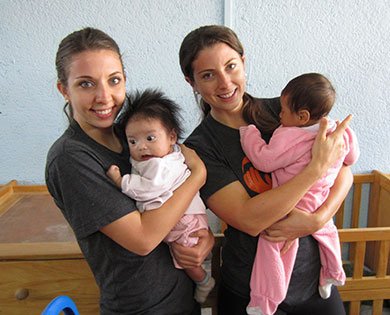
Volunteer in an orphanage in Ecuador to truly make a difference in the lives of destitute children. There are numerous orphans all around Ecuador, especially in major cities such as Quito. Growing poverty, lacking education and limited governmental resources further exacerbate the problem of street children and orphans in Ecuador. Global Crossroad Volunteer and Travel urgently needs volunteers who are willing to share their time, effort, personal skills and most importantly, love for the good and betterment of these children. Volunteers/travelers work in numerous “buddy roles” in attempt to care for these disadvantaged children who may turn to the streets or less desirable options which are counter-productive to their education and a brighter future. As a volunteer working in an orphanage in Ecuador, you will have the chance work with children and explore Ecuador and all it has to offer.
Project/Volunteer's Life
As a volunteer/traveler in Ecuador working in an orphanage, responsibilities will vary depending on individual skills and interests and the needs of the orphanage, but may include:
- Teaching English
- Teaching other subjects such as math, science, health, etc.
- Helping home-schooled children in the orphanage
- Assisting/educating children in areas of personal hygiene (i.e. brushing, flossing their teeth)
- In the afternoons/evenings, organizing activities, games, sing-a-longs and dances as well as other creativity-based activities to teach the children
- Helping children with homework
- Observing academic progress
- Playing with children
- Helping orphanage staff with administrative tasks
- Cleaning and helping children with daily chores
- Helping to maintain orphanage garden
- Providing general friendship to children
- Cooking and helping local staff during meal times
Skills and Qualification
There are no specific qualifications needed for this particular program. However, volunteers interested in participating in this program should have a passion for educating masses and addressing fears and the numerous misconceptions of HIV/AIDS. Participants should also have a passion for caring for others and a willingness to share their time, energy and compassion with these in-need Ugandans.
Teaching in Rural Schools
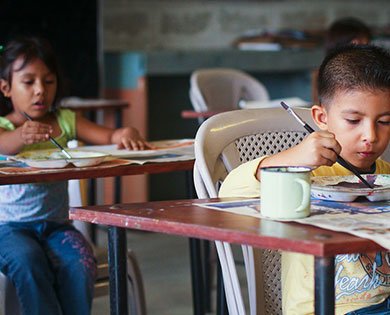
Volunteer teaching English in Ecuador and open doors for your students! With such a high demand for English education in Ecuador, a proper English education produces numerous opportunities for Ecuadorians. In partnership with various local schools, Global Crossroad Volunteer strives to provide an English education (primarily conversational English) to local schools. English-teaching projects in Ecuador are located in the Quito area in both rural and urban communities. As an English-teaching volunteer in Ecuador, you can immerse yourself into Ecuadorian culture, explore the country and at the same time, enhance personal and professional opportunities for your students.
Ecuador has school break in July and August. Other projects that are open for volunteers during this time are rehabilitation program and day care center.
Project/Volunteer's Life
Volunteers in Ecuador's English-teaching projects will either be teaching or assisting in classes at various educational levels such as kindergarten, elementary or high school. As a volunteer teaching English in Ecuador, you may carry out a variety of activities depending your skills and interests and the needs of the local schools. Daily activities may include:
- Teaching basic English to the children
- Planning creative methods of teaching for your lessons (games, quizzes, competitions, songs, etc.)
- Assisting the main English teacher with lessons and activities
- Teaching other subjects such as math or science
- Playing with the children
- Organizing extracurricular activities such as music, dancing, sports, art, games, etc.
- Teaching life skills such as painting, sewing, cooking, etc
- Promoting nutrition and health
- Helping to fundraise for schools
- Working with local teachers on curriculum development
- Assisting school administrations with daily tasks
- Helping with basic maintenance of schools
- Aiding local school staff in any way possible
Evenings and weekends are free for volunteers to experience the immense culture and natural beauty of Ecuador.
Skills and Qualification
Although no formal teaching experience or qualifications are required, volunteers should have an enthusiastic interest in teaching English and be a notable role model for children. Volunteers should be eager to teach and care for these children. Working with children requires patience and flexibility. Volunteers should have a basic understanding of the Spanish language in order to effectively work within these school-based projects. In you have poor Spanish skills, we recommend enrolling in our Spanish Language Program to make your time more beneficial both for you and those you help.
Street Children Project
In the last two decades, the population of Ecuador has doubled—creating a growing population of abandoned children. Growing poverty, disease, poor education and limited governmental resources have increased the number of street children and orphans in Ecuador. Global Crossroad Volunteer collaborates with numerous organizations within rural and urban communities to provide much needed assistance to the growing number of at-risk children throughout Ecuador. Volunteers can assist in reintegrating these children into society, ensuring that they become productive members of their communities. This program is the perfect place for volunteers looking for opportunities to share their love, passion and skills with children who urgently need it the most. Volunteer in Ecuador working with street children now and help to provide the necessities that these children need and deserve.
Project/Volunteer's Life
As a volunteer in Ecuador working with at-risk and street children, there are a wide variety of activities and responsibilities to participate in. Projects will depend on individual skills and interests as well as the needs of the local children projects. Daily tasks may include:
- Teaching basic English to the children
- Playing with the children
- Organizing extracurricular activities such as music, dancing, sports, art, games, etc.
- Keeping children company and provide friendship
- Teaching life skills such as painting, sewing, cooking, etc
- Helping with basic care for the children
- Promoting healthy eating and nutrition with the children
- Helping children with personal hygiene
- Helping to fundraise
- Work with local organizations
- Help project staff with administrative tasks
Skills and Qualification
No specific qualifications are needed to join the street children or disadvantage children project in Ecuador. Working with children requires patience and flexibility. Volunteers should have a basic understanding of the Spanish language in order to effectively work in this project. In you have poor Spanish skills, we recommend enrolling in our Spanish Language Program to make your time more beneficial both for you and those you help.
Conservation project
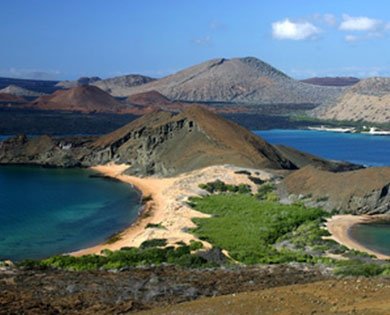
Do you want to work to make a place that is desperately in need of assistance as the area is highly endangered? Do you have a love for the environment? Would you like to work with a group that tries to ensure the protection of this environment with each passing day? If you answered yes to all of these questions, this project is just for you!
Los Cedros Biological Reserve consists of 17,000 acres of wet tropical and cloud forest. Of this, 2,650 acres is formerly colonized land with the rest of it primary forest. Founded in 1988 it has been able to sustain itself through the generous help of individual and organization donors.
It is estimated that there are around 240 species of birds in the reserve; tanagers, hawks, eagles, parrots, owls, and toucans are only some that you will find. Over a dozen species hummingbirds whizz around throughout the forest, some only an inch long. Not only that, but the Toucan Barbett, the stunning Andean Cock-of-the-Rock, and the colorful Golden Headed Quetzal make their home here as well. There are also over 900 species of nocturnal moths with amazing wing patterns and colors. Thousands of butterflies, ants, beetles, spiders, and bees can also be seen whizzing and walking around Los Cedros. The largest cockroach in the world lives here as well as several species of snakes, lizards, and frogs. Five different species of feline friends territorially roam around here in the reserve as well as many other mammals including the nine-banded armadillo, kinkajou, brocket deer, red-tailed squirrel among many others.
Project/Volunteer's Life
Duties at the Los Cedros Biological Reserve vary depending on the day. Typical day-to-day tasks include:
- Trail maintenance and development
- Checking the integrity of the reserve's borders
- Assisting with research project work, when active
- Developing new projects (for the self-motivated)
- Maintaining of the facilities
- Feeding the chickens, cultivating the vegetable patches, picking oranges and cutting down bananas
- Purchasing and transporting additional food and other supplies to the reserve from Quito
The length of the day depends on the specific activities for that day. The volunteer experience is both hardworking and relaxing. Volunteers can count on breaking a sweat with hunger and thirst a common theme, but will also have plenty of time to relax.
Skills and Qualification
No skills or qualifications are needed to volunteer in this project. We just ask that you have a passion for helping protect the environment and are willing to devote your time and energy to the tasks assigned to you.
Galapagos Conservation Project
Travel to world famous Galapagos Island and work in a conservation project that is trying to save indigenous plant and marine life while also promoting sustainable agriculture and reforestation.
Alien plants and animals in the Galapagos Archipelago represent the single biggest threat to the ecosystems of Galapagos. Since the discovery of island, humans have brought many alien species to the islands, some intentionally like goats, pigs, vegetables and fruits, and other unintentionally like rodents, insects and weedy plants. The island still retains 95% native species but the islands isolation makes the native plants and animals extremely vulnerable to new arrivals as they change the biological diversity and compete for light, water and nutrition, often winning the battle. The conservation project is using reforestation, scientific research and sustainable agriculture practices to tackle this problem. As a volunteer, you will learn a great deal about the conservation effort and participate in the project fully. During your stay, will also have time to tour the island and enjoy the unique plant, animal and marine life the island contains.
Project/Volunteer's Life
The activities of the volunteers in the conservation project will vary from day to day and season to season. But there is always a lot of work to be done. Your work can include:
- Reforestation work – planting endemic species and clearing non-indigenous species, collecting seeds, working in a nursery and helping the reserve
- Visiting areas and monitoring growth of plants
- Work in trail maintenance, sign elaboration for trails, basic construction activities and help with supply of clean water
- Help maintain and secure food production with organic agricultural activities
- Various other odd jobs that always crop up
- Enjoying the company of the many giant tortoises, iguanas, lizards, birds and farm animals strolling around!
The length of the day depends on the specific activities for that day. The volunteer experience is both hardworking and relaxing. Volunteers can count on breaking a sweat with hunger and thirst a common theme, but will also have plenty of time to relax.
Skills and Qualification
No skills or qualifications are needed to volunteer in this project. We just ask that you have a passion for helping protect the environment and you must be willing to devote your time and energy to the tasks assigned to you. Volunteers must also be prepared for the remoteness of the island. The facilities will be basic but comfortable. There will be no internet connection but volunteers can travel to a nearby town to go online.
Skills and Qualification
Volunteers will stay inside the reserve in a house constructed with bamboo and cement. There are two houses that accommodation volunteers as well as visiting conservationists, research scientists and other groups. There are 11 rooms and a total of 35 volunteers can be accommodated. Kitchen and dining room are located in a separate house. Volunteers will be served 3 local meals during the stay.
Meals/Accommodations
Global Crossroad Volunteer and Travel arranges volunteer meals, accommodations and strong field support for the duration of projects and optional travel packages. In Ecuador, volunteers generally stay with host families and accommodations are simple and clean homes in safe neighborhoods. Volunteers usually have a private bedroom, but occasionally rooms are shared with a same-gender volunteer. Our host families are well screened and are respected members of their communities who live in affluent neighborhoods. Most of our host families have experience with hosting international volunteers. A host family stay is a great chance for cultural immersion and exchange. Orphanage volunteers may stay at their project as many orphanages have special rooms set aside for international volunteers and these accommodations are normally shared with a same-gender volunteer.
Volunteers receive three local meals per day (breakfast, lunch and dinner). We can provide vegetarian meal options, but needs must be detailed in a volunteer's application. Snacks and beverages outside of mealtimes are not provided; however, there are local restaurants and grocery stores near the residences in which we place volunteers.
Global Crossroad offers unparalleled field support to volunteers to ensure a safe and rewarding experience. Once in Ecuador, there are many layers of support for you. The most important support comes from our country coordinator/field staff. The secondary support comes from the host project staff and members of host families. Volunteers will have access to our country coordinator's mobile number and they are available 24/7. Throughout the volunteer project, our local staff stays in contact with volunteers either with face-to-face visits or via email/telephone. Our field staff will visit regularly (every 2-4 weeks) to make sure things are going well and as planned. However, if placement is far from our local offices, staff members will stay in touch via email/ phone. Volunteers are also welcome to stop in the offices at any time.
Specific details regarding accommodations, food and contact details for our local coordinator will be provided in personalized volunteer placement documentation prior to arrival.
Project Locations:
Ecuador Volunteer Projects Global Crossroad Volunteer projects in Ecuador are available in Quito (officially San Francisco de Quito, the capital city of Ecuador in northwestern South America). Ecuador straddles the equator, from which it takes its name and is renowned for being one of 17 mega-diverse countries in the world with 1600 bird species and 25,000 species of plants. Most of its cities offer most of the amenities you would expect from any city. Volunteers can organize different possible excursions during and after the project to visit places of interest. There is a tourist infrastructure already in place volunteers can take advantage of during weekends. For example: architecture, museums, city tours, fishing, rock climbing, festivals, restaurants, art, music, hotels, and much more.
