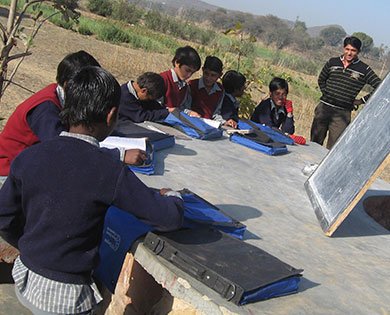
GCR volunteers

Volunteer in the Himalayan region of India and begin an unforgettable experience at the feet of the Himalaya Mountains. You can immerse yourself into Indian culture, enrich the lives of others and surround yourself with the majestically breathtaking Himalayan Mountains.

Global Crossroad Volunteer's Himalaya volunteer programs in India allow you to live in a small Himalayan town and work in a project that fit your skills and interests. You'll have the opportunity to explore all India has to offer as well as the Himalaya Mountains. Whether you teach English or work with at-risk children, you will undoubtedly have a life-changing experience as you help others and enjoy the indescribable beauty.

Email us now and we'll be more than happy to send you more details about our India—Himalaya projects. Begin this adventurous and meaningful journey today!

Fees and Dates

Start Dates:

All volunteer programs start on the first and third Monday of each month.

If you are tired of expensive volunteer programs but want to make a positive contribution in the world, look no further! Global Crossroad is dedicated to offering high quality, well-organized and meaningful programs at the most affordable price in the United States. We work hard to keep costs as low as possible, focusing on the effectiveness of our projects, the safety of our volunteers and the quality of participant experiences. We currently offer the most competitive price possible in today's market including an application fee (of $299) AND a small weekly fee as follows:

Duration Himalaya
1 Week $300
2 Week $420
3 Week $540
4 Week $660
5 Week $780
6 Week $900
7 Week $1,020
8 Week $1,140
9 Week $1,260
10 Week $1,380
11 Week $1,500
12 Week $1,620

Airport Pickup & Transfer (Dharamshala- 9 hours) $100

Mandatory Comprehensive Travel Insurance $3.49/day

Volunteer Programs in India Himalaya

Teaching English (Palampur, Dharamsala)
GCR volunteers

Volunteer teaching English in the Himalaya region of India! English is one of the official languages of India. Despite this, many people struggle to read, write and speak proper English. This is especially true in rural and poorer areas where schools lack adequately trained teachers and efficient resources. Without strong English skills, locals have a hard time procuring high-paying employment. With increased international trade and tourism, it’s become even more important to learn English at an early age in India. Volunteer in India-Himalaya region teaching English and help these students in the mountains broaden their future opportunities. Your time, dedication and effort will pay off greatly as you enrich the lives of others and immerse yourself into an enchanting and beautiful culture.

Street Children/Youth at Risk (Delhi)

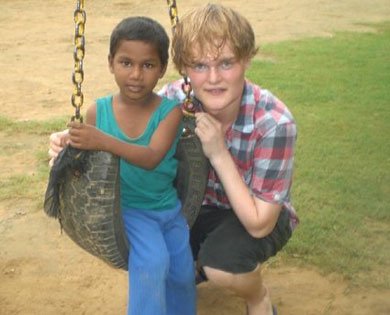
Volunteer in the India Himalayan Region in the Street Children/At-Risk Youth Program and help to provide love, friendship, shelter, education and stability in children’s lives. Many children in the Himalayan region of India are orphaned due to abuse, neglect, poverty, disease and other unfortunate reasons. Global Crossroad Volunteer partners with local organizations that work hard to provide support, care and treatment for these children. As a volunteer working with street and at-risk children in the India Himalayan region, you can directly make a difference by helping to provide them with the basic necessities every child deserves. Volunteer in this project for the unique opportunity to help these children have brighter, more successful and safer futures. Volunteering in this project will not only allow you the chance to live amongst a unique culture and beautiful mountainous views, but will drastically improve personal and professional opportunities for your students.

Meals/Accommodations

Global Crossroad Volunteer arranges volunteer meals, accommodations and strong field supervision for the duration of projects and optional travel packages. In India, most volunteers stay in our home base, a permanent home established for our international volunteers. Our home base in India is located in a pretty community, in a very safe and clean neighborhood. There are internet cafés, restaurants, local bus stations, a police station and supermarkets near our home base. The home base provides is a comfortable place to relax after a long day. There are several bedrooms (which may be shared with a same-gender volunteer) and community areas. There is a shared kitchen, television and shared bathrooms, which have running water and "western-style" toilets. Orphanage volunteers may stay at their project as many orphanages have special rooms set aside for international and these accommodations are normally shared with a same-gender volunteer.

Depending on the project locations (some part of Delhi, Agra, Jaipur, Rajasthan, and Palampur), accommodations could be with a host family. Host family accommodations are simple and clean homes in safe neighborhoods. Volunteers usually have a private bedroom, but occasionally rooms will be shared with a same-gender volunteer. Our host families are well screened and are respected members of their communities who live in affluent neighborhoods. Most of our host families have experience with hosting international volunteers. Host family stays are a great chance for cultural immersion and exchange.

Volunteers receive three local meals per day (breakfast, lunch and dinner). We can provide vegetarian meal options, but needs must be detailed in a volunteer's application. Snacks and beverages outside of mealtimes are not provided; however, there are local restaurants and grocery stores near the residences in which we place volunteers.

Global Crossroad offers unparalleled field support to volunteers to ensure a safe and rewarding experience. There are many layers of support for you. The most important support comes from our country coordinator/field staff. The secondary support comes from the host project staff and members of host families and/or a home base staff. Volunteers will have access to our country coordinator's mobile number and they are available 24/7. Throughout the volunteer project, our local staff stays in contact with volunteers either with face-to-face visits or via email/telephone. Our field staff will visit regularly (every 2-4 weeks) to make sure things are going well and as planned. However, if placement is far from our local offices, staff members will stay in touch via email/ phone. Volunteers are also welcome to stop in the offices at any time.

Specific details regarding accommodations, food and contact details for our local coordinator will be provided in personalized volunteer placement documentation prior to arrival.

Project Locations:

Global Crossroad Volunteer projects are available in Delhi, Agra and Jaipur. Delhi is the capital city of India and known as the "Royal City," home to Red Fort, Lotus Temple, Qutab Minar, Lodhi Gardens. Jaipur is renowned as the "Pink City" of India and home to the Nahargarh Fort and City Palace Museum. Both the cities have great shopping, exquisite cuisine, banks & internet cafes nearby. India is the seventh largest country by geographical area and the second most populous country in the world. Islam, Christianity, Judaism and Zoroastrianism arrived in the first millennium and shaped the region's diverse culture. As a pluralistic, multi-lingual and multi-ethnic society, India is also home to a diversity of wildlife in a variety of protected habitats. It has managed to preserve established traditions while absorbing new customs, traditions and ideas from the Western world and immigrants.

Major FAQs - India

Application Process

Please read Global Crossroad Volunteer's 5-step application

  • You can either apply online or download the application and mail it to us after filling out the form. To complete your application process, we'll need an application fee of $200. Without the fee, you're application won't be processed.
  • When we receive your completed application, it will then be forwarded to the country coordinator of India Himalaya for processing. The coordinator will thoroughly check your application and search for the project you mentioned. The coordinator will also fix the details regarding your accommodation and meal. Your accommodation will either be fixed in a home stay, where you'll stay with an India Himalaya family and enjoy local food, or you'll be accommodated in a project hostel or in a safe and secure Home Base.
  • After the country coordinator finalizes the details of your program, the information will then passed on to us. We then will forward the details to you, along with the final invoice. You will have to make your final payment six weeks before the start of your program. If your application has been expedited, the payment has to be settled as soon as possible. The placement details contain local contact information, which you can use while applying for India Himalaya Visa or to get in touch with the local staff and host family.
  • You'll then start to prepare for your trip to India Himalaya. You'll have to take immunization required before traveling to India Himalaya, get a visa to enter the country (for details on this, check the Visa section of FAQ) and book air tickets. If you want to contact us any time during your preparation, we're only a phone call away and eagerly waiting to help and advise you.
  • Once you have confirmed your tickets and arrival details, please pass on the information to us (US Office). We'll inform your flight timing to the India Himalaya country coordinator and you will be picked up at the airport, upon arrival. You can also email the country coordinator directly.

Arrival Information

Arrival Point: Indira Gandhi International Airport, New Delhi

Airport Pick-up Upon the receipt of your flight information, our in-country coordinator or other project staff will greet the volunteers in the airport and take you to your project site. The address and telephone number of the local contact hotel will be given before departure just in case volunteers miss our representative in the airport. Please make sure to e-mail your flight information to both the USA office and the local in-country coordinator's office.

Departure Point: Indira Gandhi International Airport, New Delhi

Airport Drop: Rarely, a few do request an escort back to the airport; this is an extra expense of about $75. Most are very familiar and comfortable with their stay and have great ease taking their own taxi or bus back to the airport.

Internal

Transportation: Global Crossroad Volunteer manages one-way transportation to project. Volunteers will be responsible for their own personal and return travel. We do not cover daily transportation from host family/hotel to the project. Our program is designed to save you the volunteer as much as possible.

Start Dates: 1st and 3rd Monday of each month

Arrival Before

Start Date: Global Crossroad Volunteers/Travelers coming to India Himalaya are advised to arrive one day before their program start date. If you arrive more than one day early or stay after the program, you will be responsible for your room and food expenses.

Working Hours: 30- 40 hours per week

Visa

Global Crossroad strongly suggest that all volunteers apply for a tourist visa in a timely manner before departing for India Himalaya. Please call our office or contact the local India Himalaya embassy to learn more about visas, visa fees, and visa extensions. Getting your tourist visa is your responsibility.

Health & Safety

Volunteers should be aware of all health and safety information before traveling to India Himalaya. We suggest you visit some of the websites listed below.

General Health Tips for volunteer in India Himalaya

  • Avoid drinking tap water directly. Do not also drink fountain drinks and ice cubes. Always drink bottled or boiled water or carbonated drinks in cans or bottles.
  • There have been cases of many fake bottled waters being sold in India Himalaya. They don't stand up to the standards. Make sure the seal of the bottle isn't tampered with.
  • Do not eat hot or very spicy food. They can create stomach upset. Stay away from salads also as leaves not cleaned properly can contain bugs also. Eat for good, clean restaurants and don't try your luck with roadside vendors.
  • Always use an insect repellent if you find yourself in a mosquito-prone area. But remember, not every place is mosquito-infested and low temperatures in winters (when most tourists come to India Himalaya) kill most bugs in the northern plains and hills..
  • If traveling in scorching heat, remember to drink enough water, use hats, sunglasses & UV lotions. Beware of the health effects that the mid-day sun may cause, most importantly SUN BURN or DEHYDRATION.
  • If you need doctor, ask your host family, project staff or our country coordinator. You'll find plenty of helping hand. Most of the towns and villages in India Himalaya have pharmacies and chemists, if you want to purchase any medical supplies. The medication and the fees for the doctors are usually low.

Bring drugs you require with you. Although you can find most modern medicines in the drugstores of India Himalaya, they can be named differently and come with different level of dosage. Carry a health kit and include medications for upset stomachs, some antiseptic cream, mosquito repellant, sun block, band aids, etc.

Vaccination

We suggest vaccinations against public health threats and other communicable diseases.

Please refer to CDC website: http://www.cdc.gov/travel/India Himalayanrg.htm#vaccines

Recommended Vaccinations and Preventive Medications

The following vaccines may be recommended for your travel to South Asia . Discuss your travel plans and personal health with a health-care provider to determine which vaccines you will need.

  • Japanese encephalitis, if you plan to visit rural farming areas and under special circumstances, such as a known outbreak of Japanese encephalitis.
  • Malaria: your risk of malaria may be high in these countries, including cities. See your health care provider for a prescription anti-malarial drug. For details concerning risk and preventive medications, see Malaria Information for Travelers to South Asia.
  • Rabies, if you might have extensive unprotected outdoor exposure in rural areas, such as might occur during camping, hiking, or bicycling, or engaging in certain occupational activities.
  • Hepatitis A or immune globulin (IG). Transmission of hepatitis A virus can occur through direct person-to-person contact; through exposure to contaminated water, ice, or shellfish harvested in contaminated water; or from fruits, vegetables, or other foods that are eaten uncooked and that were contaminated during harvesting or subsequent handling.
  • Hepatitis B, especially if you might be exposed to blood or body fluids (for example, health-care workers), have sexual contact with the local population, or be exposed through medical treatment. Hepatitis B vaccine is now recommended for all infants and for children ages 11-12 years who did not receive the series as infants.
  • Typhoid. Typhoid fever can be contracted through contaminated drinking water or food, or by eating food or drinking beverages that have been handled by a person who is infected. Large outbreaks are most often related to fecal contamination of water supplies or foods sold by street vendors Vaccination is particularly important because of the presence of S. typhi strains resistant to multiple antibiotics in this region. There have been recent reports of typhoid drug resistance in India Himalaya and Nepal.
  • As needed, booster doses for tetanus-diphtheria and measles, and a one-time dose of polio for adults.

Required Vaccinations

  • none

Money Matter

What is the exchange rate? Where should I change my dollar? Can I use debit card and/or credit card? Should I bring traveler's check?

Exchange Rate of India Himalayan Rupee (INR) info available at: http://www.xe.com/ucc/

India Himalayan Rupee is the local currency of India Himalaya.

You can change your money into local currency upon arrival inside the Delhi International Airport at the counters of one of many banks. If you change about $200, it should be able to sustain you for the first couple of weeks, unless you go out often and shop. To exchange Rupees for US Dollars (during departure), you need to show receipts from authorized banks which document said exchanges.

You can get money through ATM vendor through your Debit card. The vendor is close to our office in India Himalaya. Visa, MasterCard and American Express are also accepted in some of the large stores and hotels in larger cities but may not be widely accepted in smaller cities. How much money you bring depends on you. Global Crossroad Volunteer covers most costs associated with your program, but bring spending money to help you to explore India Himalaya in your free time and for your personal use.

Field Support and Supervision

How does Global Crossroad Volunteer help me when I am in the field? How can I maintain communication? Does Global Crossroad Volunteer visit volunteers?

Our local staff (and country coordinator) will keep in touch with your once the program starts. We will also visit you every 2 weeks to make sure you are happy and satisfied with the project. If the project is very far, then our local staff members maintain communication by email and phone.

You'll also be provided with the mobile phone number our country coordinator. In case of any emergency, you can contact him directly.

Communication

How do I communicate with my family? Global Crossroad Volunteer staffs? Is there internet?

Bring your mobile phones with you. You can insert the local sim in the phone while you're in India Himalaya and you'll then be ready to receive phone calls from abroad. This is the best way to stay in touch with your family. If you're working in Delhi, you'll find internet cafes around pretty much everywhere. In Jaipur, you'll have to travel for about 2 kms for internet cafe. You'll find all the details regarding this in your placement sheet.

Climate of India Himalaya

There are 3 major seasons in India Himalaya: winter, summer and the monsoon season. From November to March, you'll encounter colder weather in India Himalaya. Summer starts from April to June, after which the monsoon season lasts until August. You'll experience mild weather in September and October.

Materials to Bring

Most of daily use items are available in India Himalaya at a cheaper price. However, we suggest volunteers pack the following things:

  • Camera
  • Mobile phone (you can use mobile phone after changing sim card)
  • Sleeping bag
  • Mosquito repellents
  • Insect repellents
  • Sun-block
  • Some books about India Himalaya
  • Map of India Himalaya
  • Toiletries
  • First-aid kit
  • Flashlight
  • Electricity adapter/converter
  • Sunglasses
  • Footwear (for work and travel)
  • Towel

Gift for Host Family and Project

It is a common courtesy to bring a small gift for the family that will be hosting you. You are not required to do so, but if you choose to bring something it can be pretty simple. We suggest a box of chocolates, a t-shirt with a hometown logo or pictures of your family and some local post cards.

If you want to bring gifts for your project (and if you are working for an orphanage or a school please bring pencils, pens and paper, art supplies like markers and construction paper pads, and games. Remember that every child will need these items so you may wish to bring a bunch of one thing.